

Future Scenarios: Welcome to the Digital World
Digitalization is gaining ground. We fantasized about what our future work routine might look like.
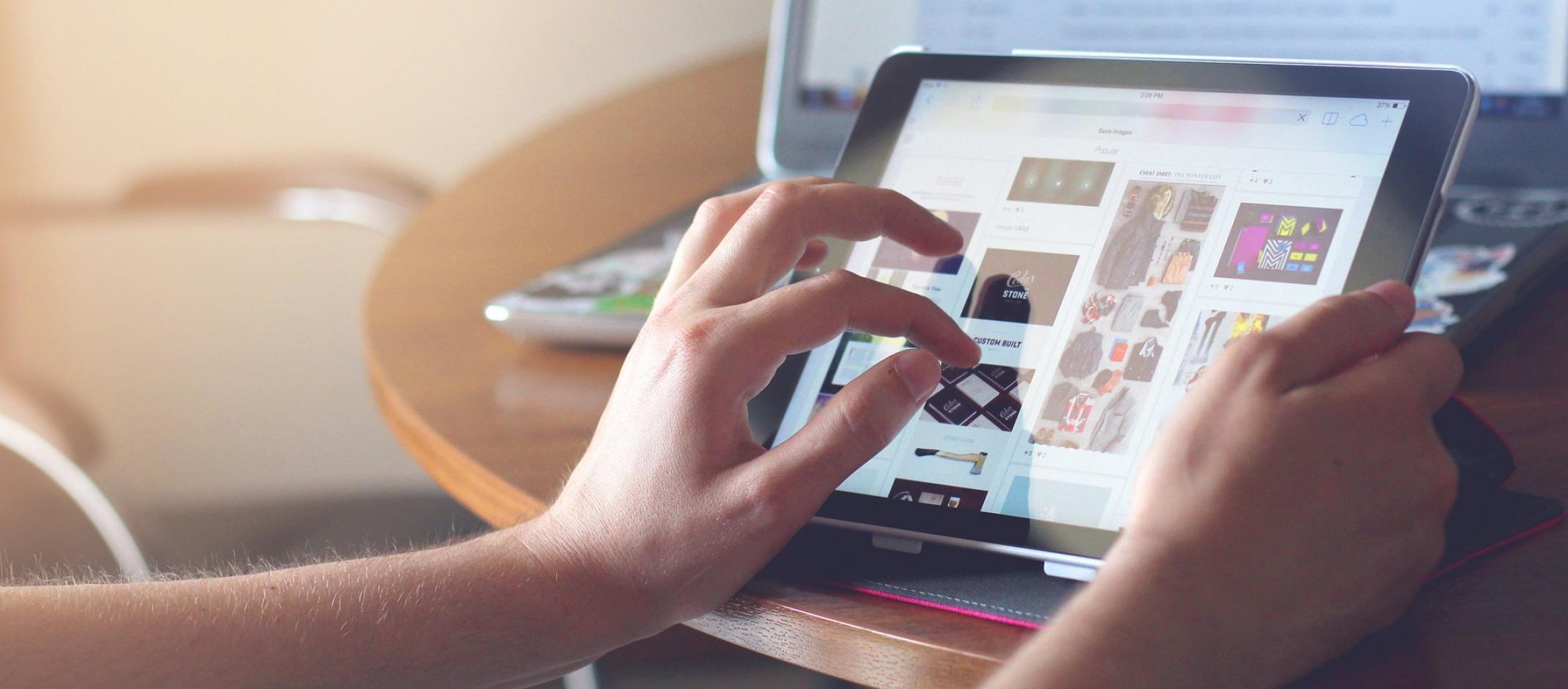
Mr. Müller works in a big factory for automotive parts. His day starts punctually at 6 o’clock every morning. Mr. Müller gets up and ready and has a cup of coffee with his breakfast roll. On his tablet he can already see what’s on the schedule for today. The factory wants to put a new type of motor into production and Mr. Müller looks with interest at the parts he will install very soon. At 2pm there will be an employee meeting. Everyone can already see the agenda. Mr. Müller arrives at the factory at half past seven. He can still remember the time he had to do his timekeeping manually.
Today, everything is automatized. When Mr. Müller enters the production hall, his wristband automatically registers the time he starts working. This gadget is great: it monitors Mr. Müller’s bodily functions and suggests short breaks for coffee when he gets tired. Mr. Müller’s dates are saved there too so a vibration alarm will remind him of the meeting at 1.55pm. But it still takes a while before that happens. First, Mr. Müller takes care of the new motors today. At machine 1 he just needs to refill components. Even if something went wrong, the machine would eject wrong elements. Nevertheless, Mr. Müller does his best. At the assembly line the new installation instruction goes into action. Some time ago it was very time-consuming and tedious for Mr. Müller to get used to a new model. Today, he can see the construction plan through his data glasses and can perform the appropriate steps directly. If he does something wrong at the beginning, he will be informed at once and is able to correct himself.
https://www.youtube.com/watch?v=uBZmJOHIN8E
At lunchtime he just has to leave the building or go to the break room: the wristband registers Mr. Müller’s break. He likes this feature very much because many colleagues didn’t book their breaks correctly in the past. This cannot happen anymore. The HR office gets to know average working hours and can react to overtime more quickly. Exchange of information became much faster in the company during the last years. If you want to know something or need documents, you don’t have to ask around, but you can find it digitally. This saves much work and time.
Despite all these innovations, it is still important to talk to each other directly and Mr. Müller is happy when the meeting finally starts at 2pm. Overall, everything’s doing great. His colleague Mrs. Meier reports that she had to do minor maintenance work at a machine two times last week. In the past this was much more complex and sometimes the whole machine failed. Today, the machines directly inform Mrs. Meier or other employees if there are any problems. Most of the time, possible errors can be detected before they arise, and the problem can be blighted.

Digital revolution
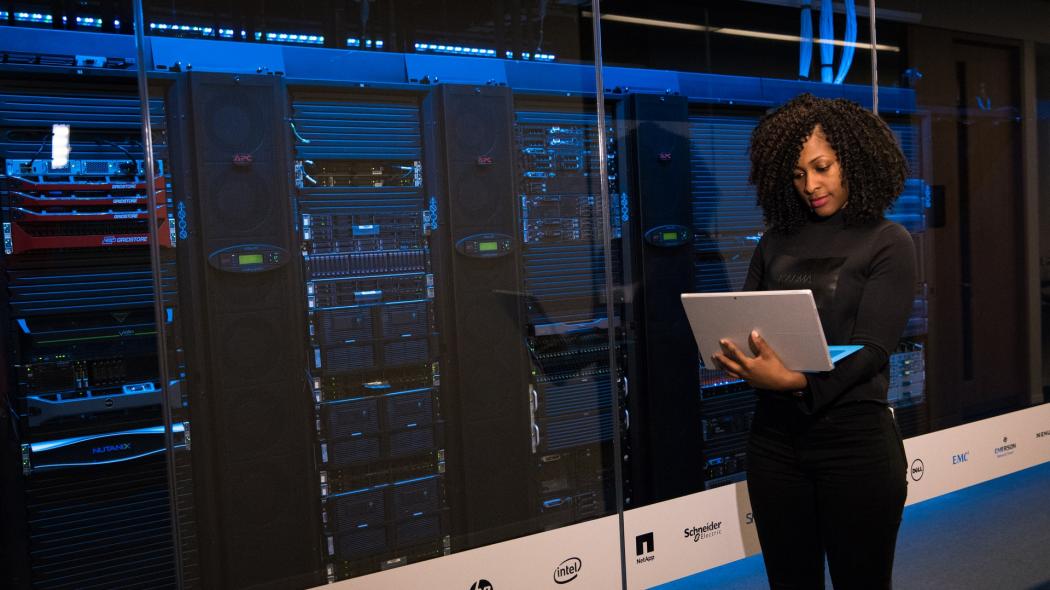
The industrial sector becomes more and more digital.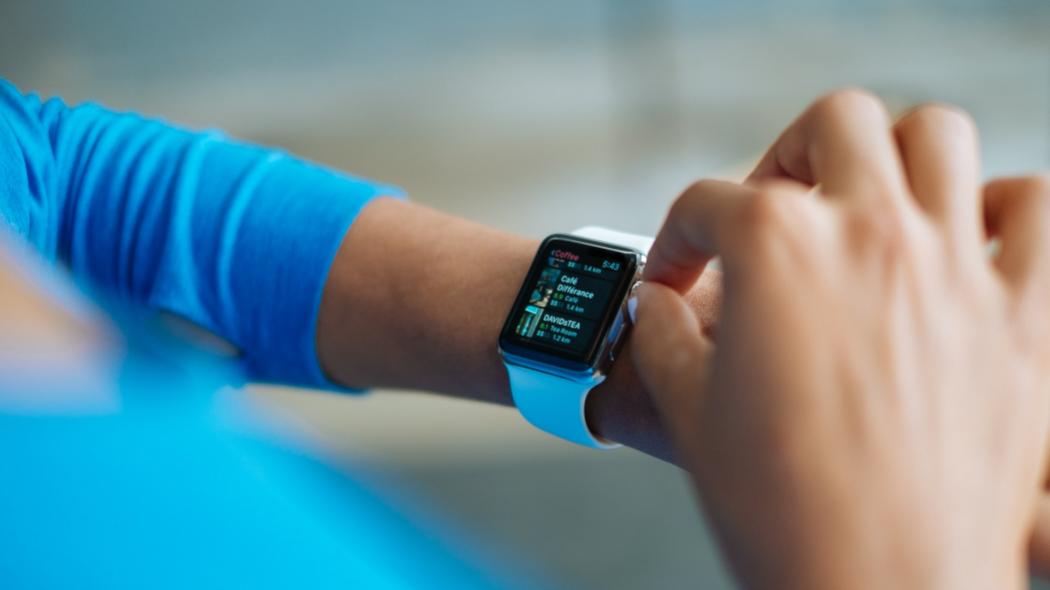

Smart at work
Wearables are already used to track our activity. In the future, they might also improve our work life.
Less mistakes
Techniology can help us to make less mistakes. Machines maintain themselves.
Better communication
Face to face meetings will still be an important part of work life but digitalization helps to connect employees all over the world.
At half past four, Mr. Müller’s working day is over, and he leaves the factory. On his smartphone, which is connected to the wristband, he can see his working hours and production volume of today. Mr. Müller is satisfied and looks forward to his free time.